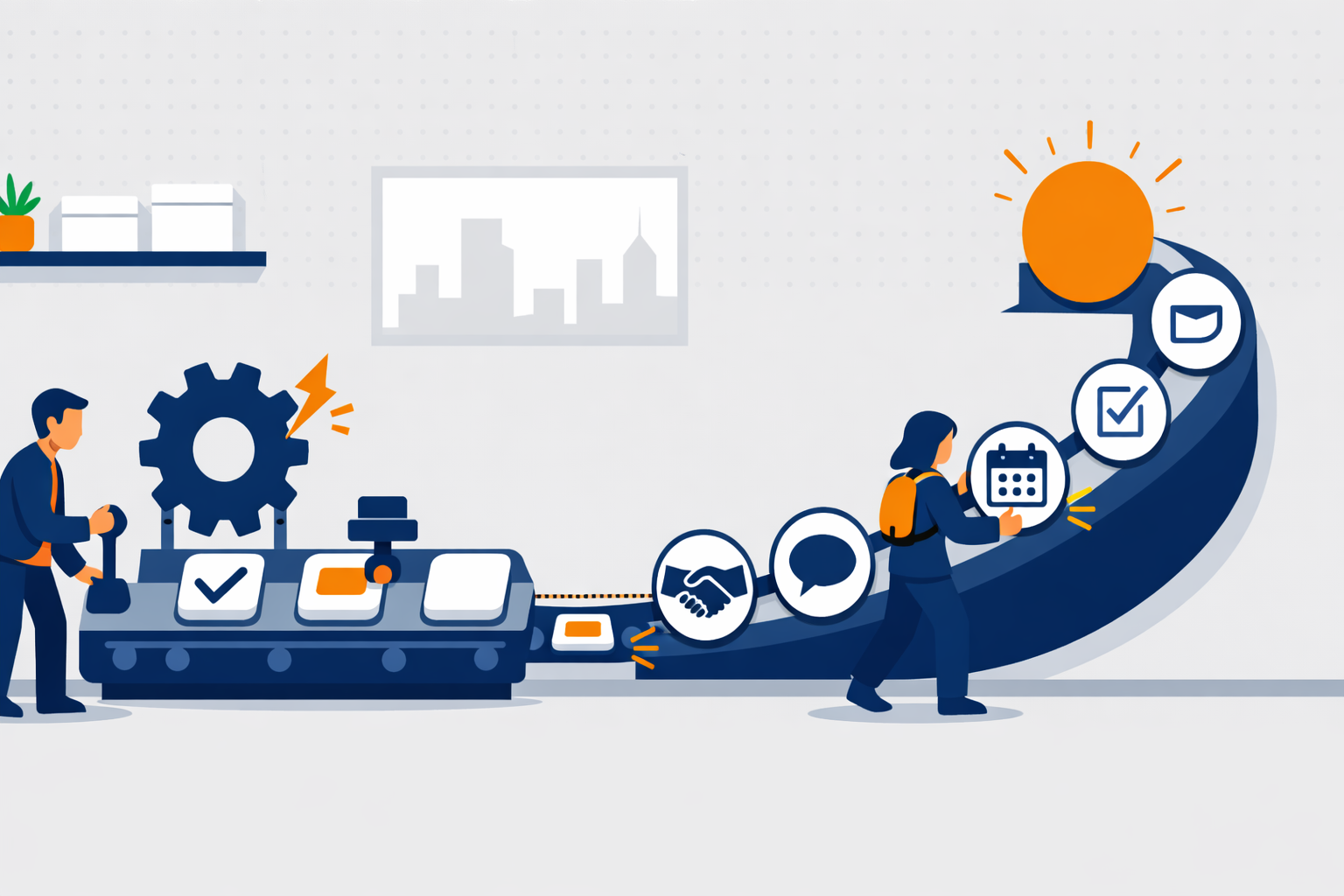
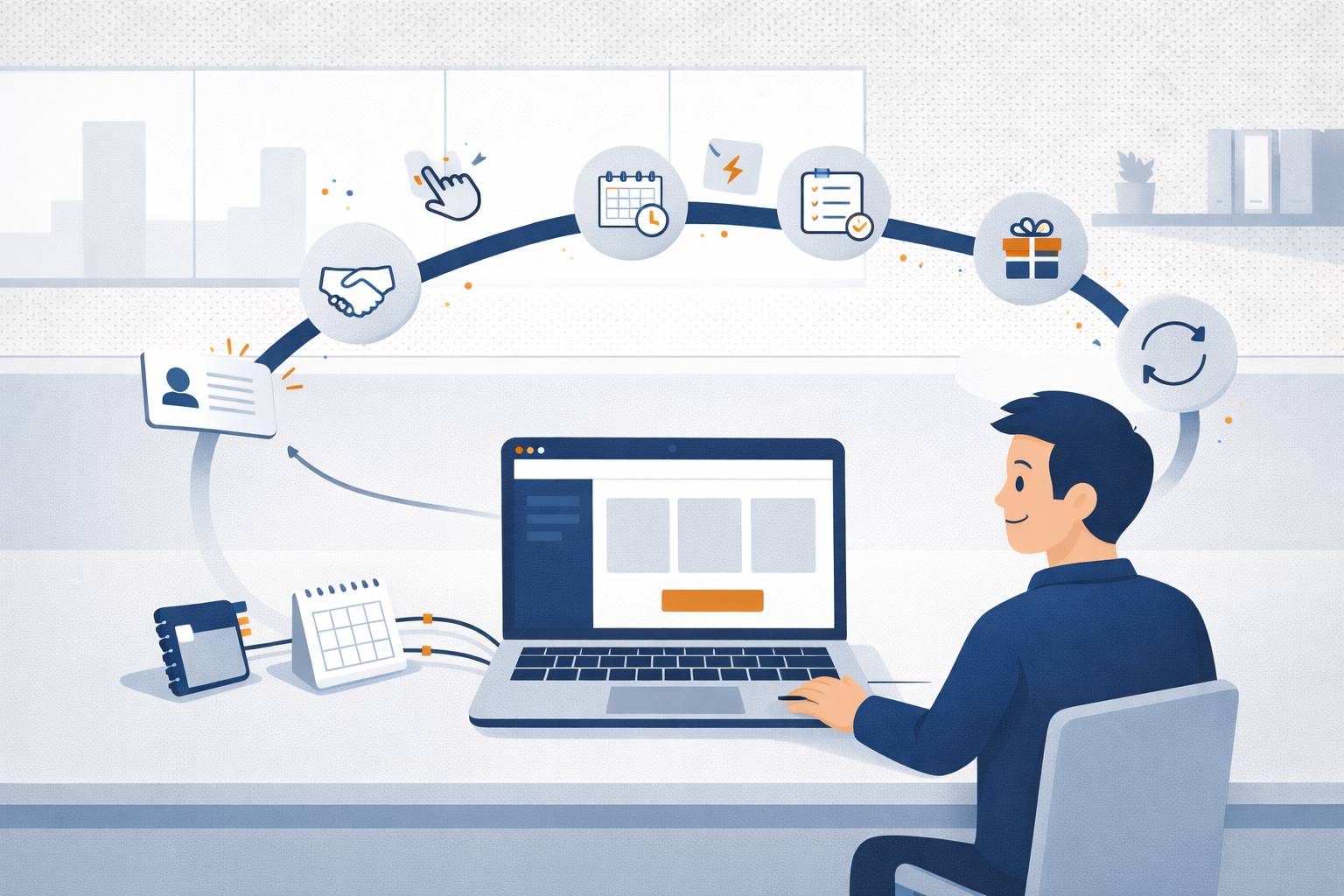
A journey is the path someone takes from Point A to Point Z.
It’s not one moment. It’s not one message. It’s not one meeting.
A journey is the full progression — the steps that happen before, during, and after someone engages with you.
If Point A is “they first meet you,” then Point Z is “they trust you, stay connected, and keep coming back.”
Journeys are everywhere — even when nobody calls them “journeys.”
Most journeys follow a familiar pattern:
A follow-up is one step.
A journey is the entire sequence.
Follow-ups are pieces. Journeys are the full path.
This matters because most people don’t get stuck at the first step. They get stuck because the next steps aren’t clear or consistent.
People don’t stop doing business because they dislike you. They stop because the process becomes unclear.
Journeys prevent that by answering the questions people naturally have:
A good journey removes uncertainty. It replaces confusion with confidence.
Most journeys are not one straight line. They move through phases.
Segwik takes the idea of a journey and turns it into something practical.
In Segwik, a Journey is a relationship path you can activate, follow, and repeat.
They keep relationships moving forward with clarity and timing, not memory.
You always know what’s next — without tracking everything in your head.
A Segwik Journey can include tasks, outreach steps, and timing — but it’s designed to guide the relationship from one stage to the next.
Journeys activate based on relationship scenarios — not random triggers.
Manual activation means you decide when someone should enter a Journey. You pick it because you recognize the situation and want a specific follow-up path.
Automatic activation does not mean “a button was clicked.” It means someone has entered a clear relationship stage where a full follow-up path makes sense.
Automations respond to events. Journeys guide progression.
Imagine you meet someone at an event and want to stay connected.
Day 1: quick follow-up
Day 3: personal check-in
Day 7: invite to schedule time
Day 14: light reconnect
That’s a journey: one step at a time, moving from introduction to trust.
Where do people typically “fall off” in your process — and what would happen if that part was more consistent?
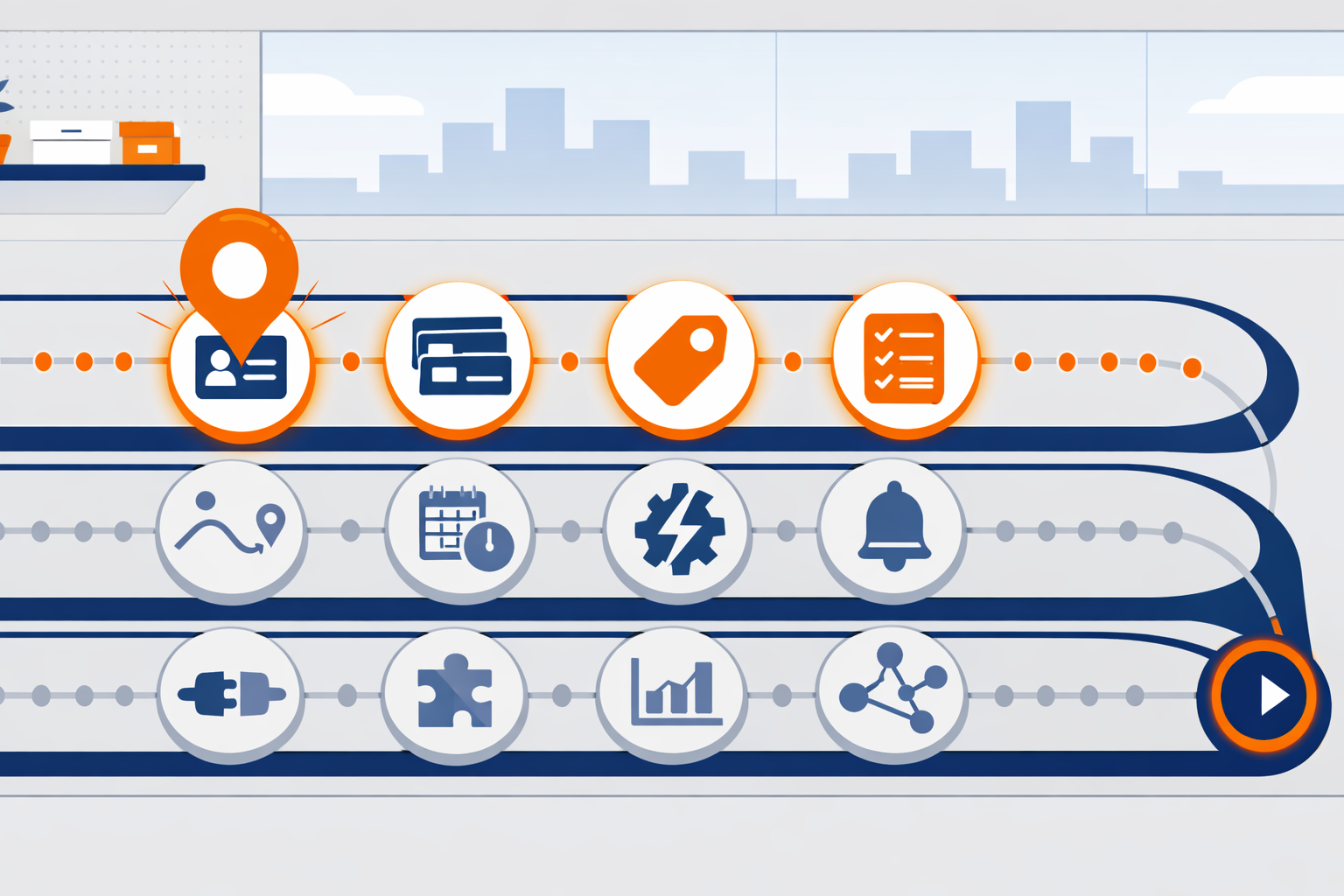
If you’re ever unsure what to do next, the Roadmap is your answer.
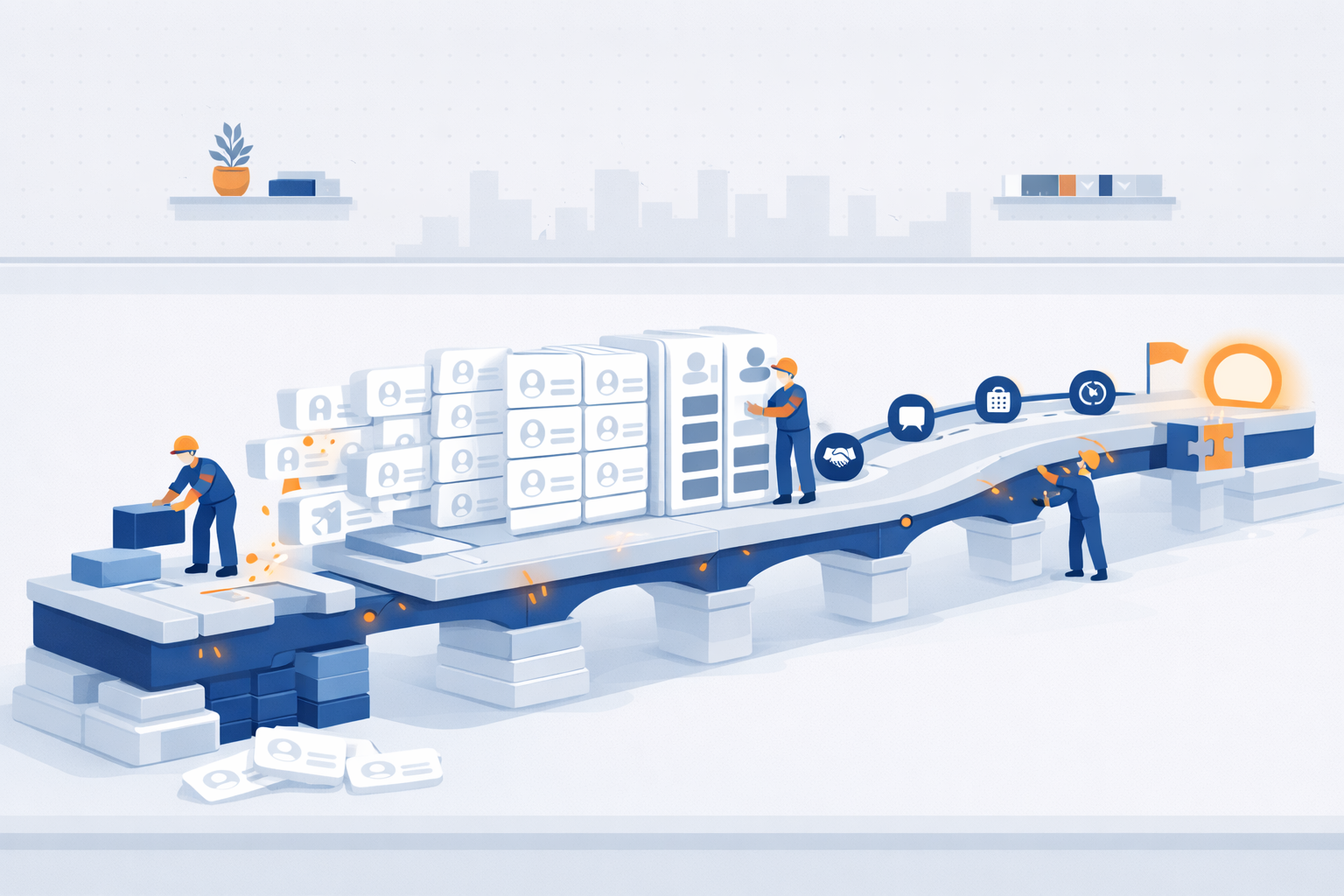
If you use Segwik consistently for one month, you stop relying on memory. You stop losing track of people. You stop wondering what to do next.
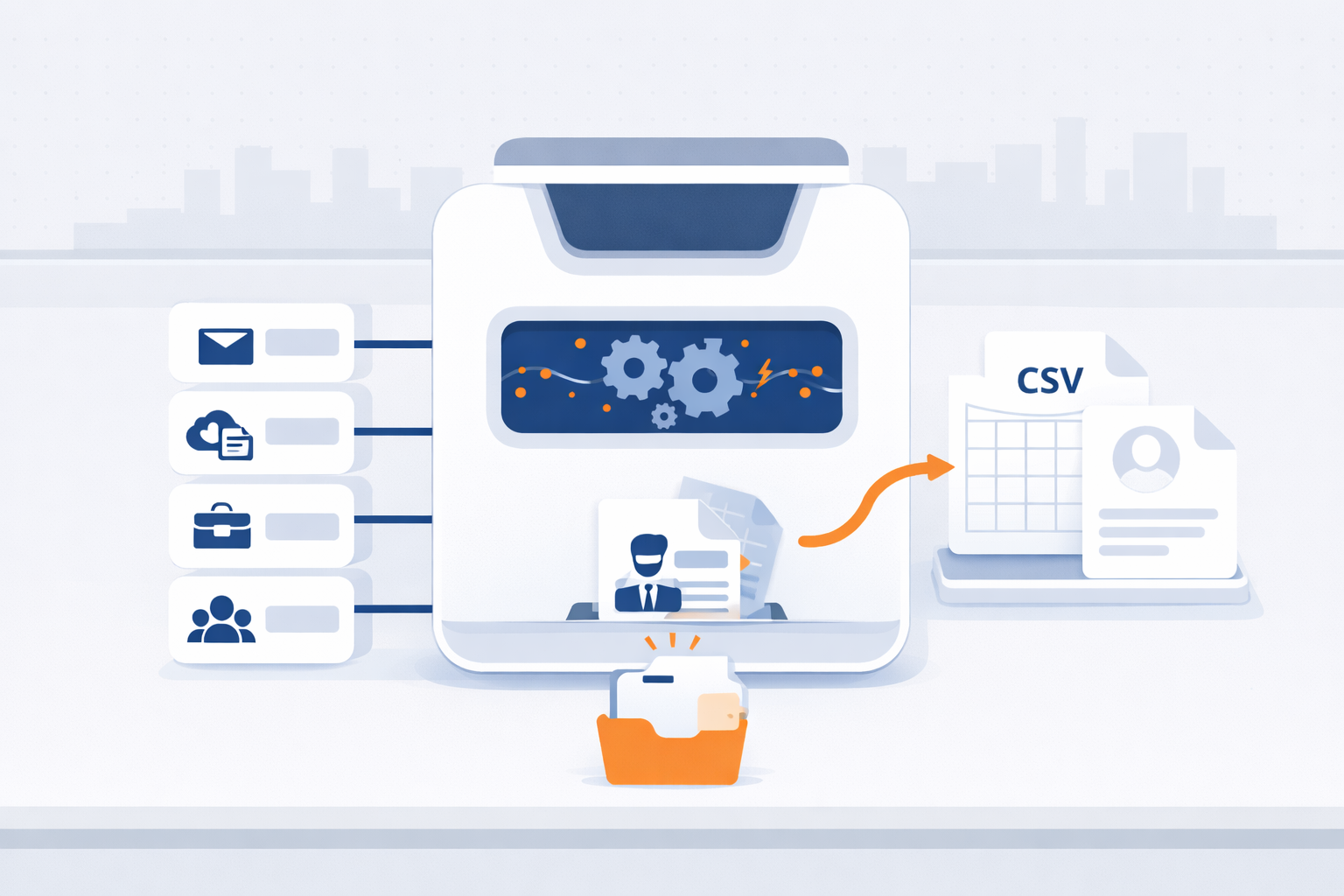
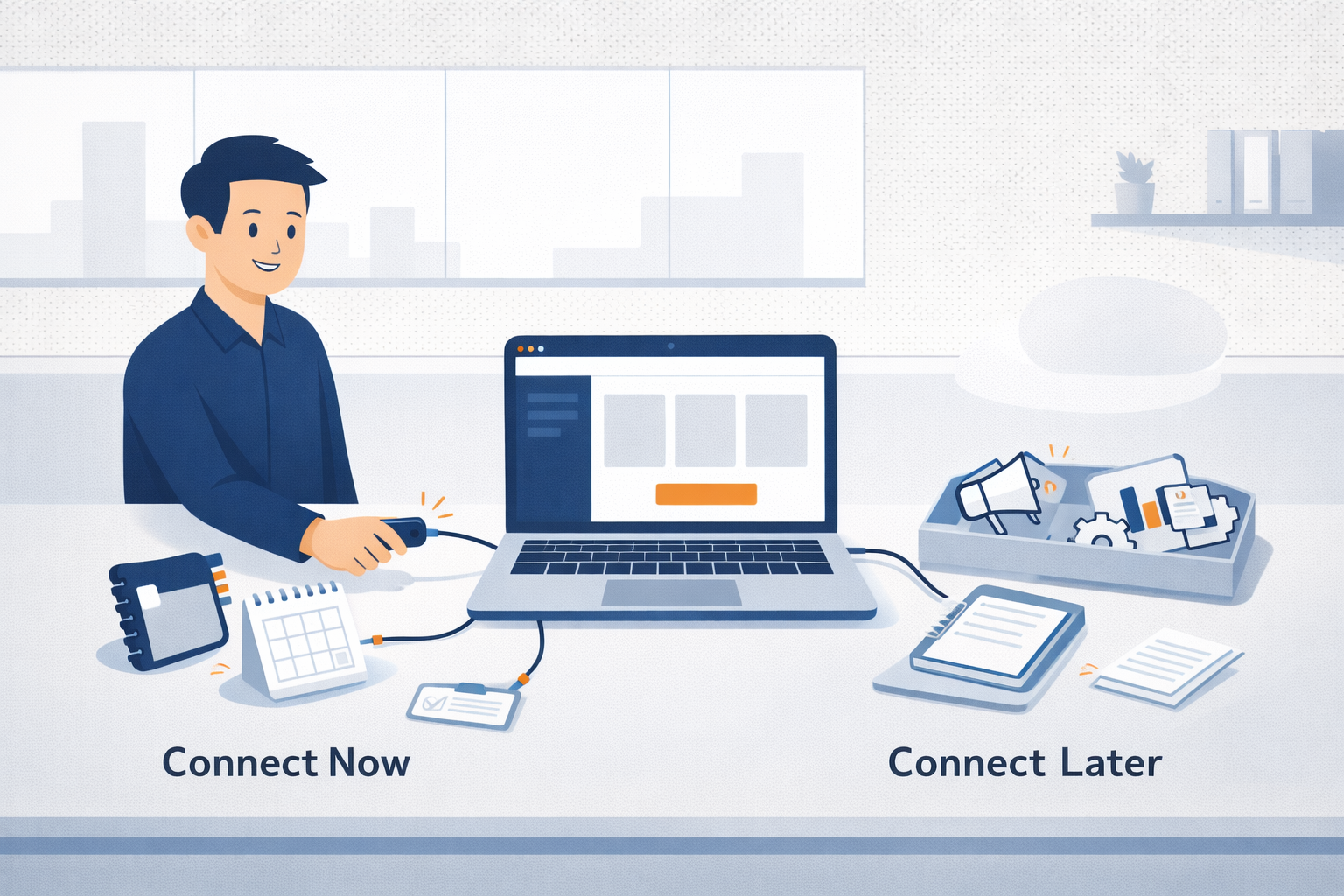
Export your contacts from Gmail, iCloud, Outlook, or Mailchimp in minutes—so you can bring them into Segwik quickly and stay organized.
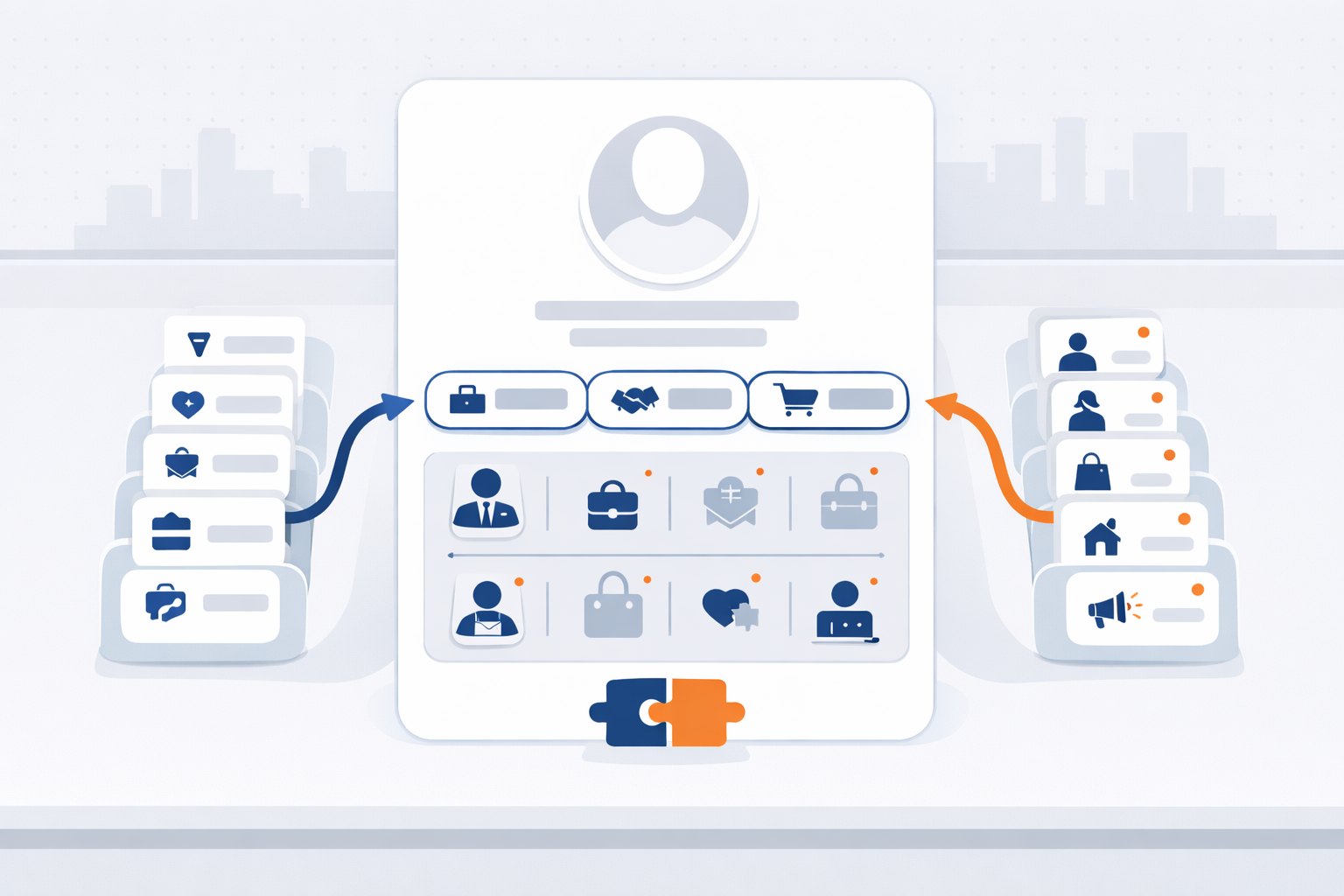
Contact Types and Personas help Segwik understand both your relationship to someone and who they are in your world.
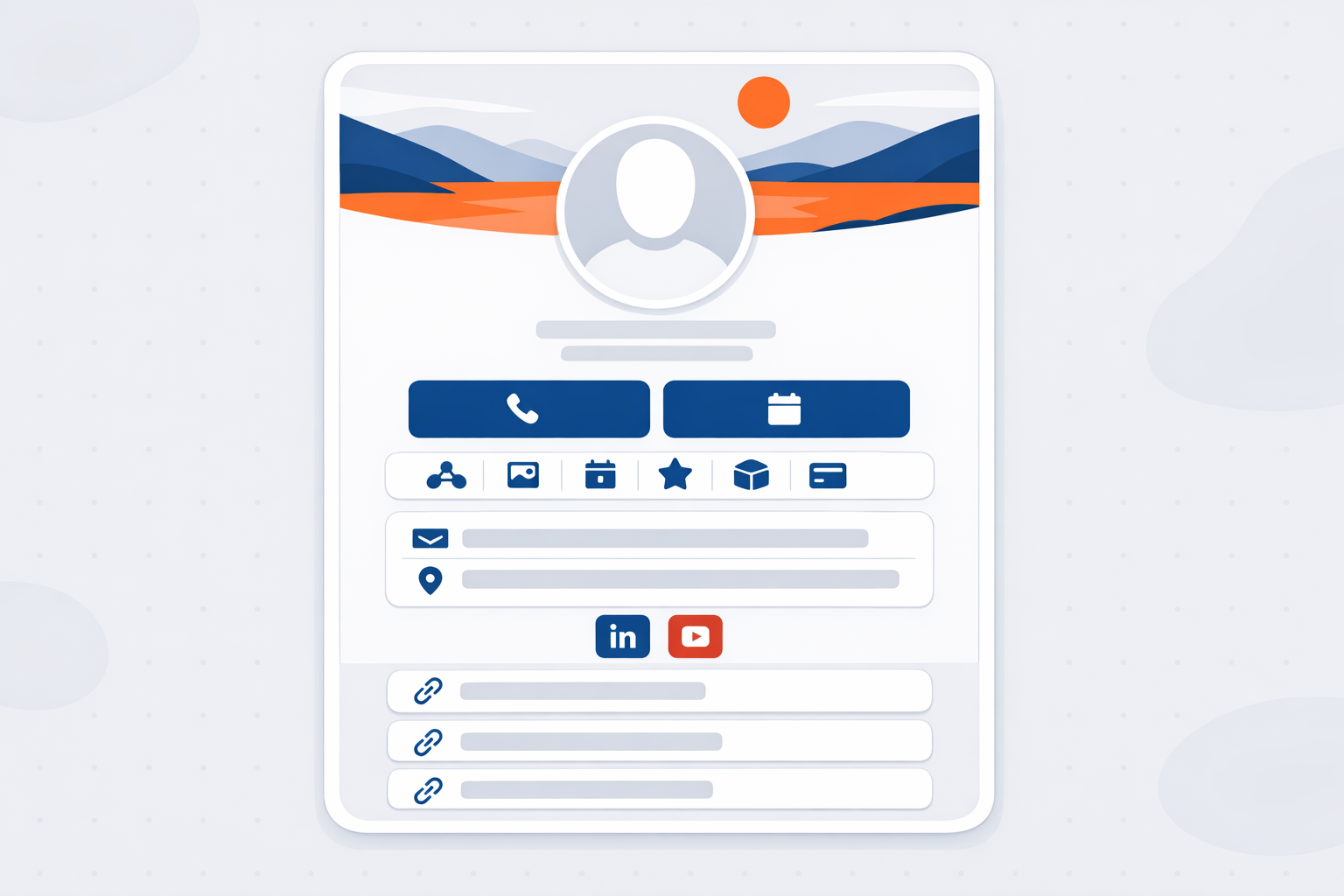
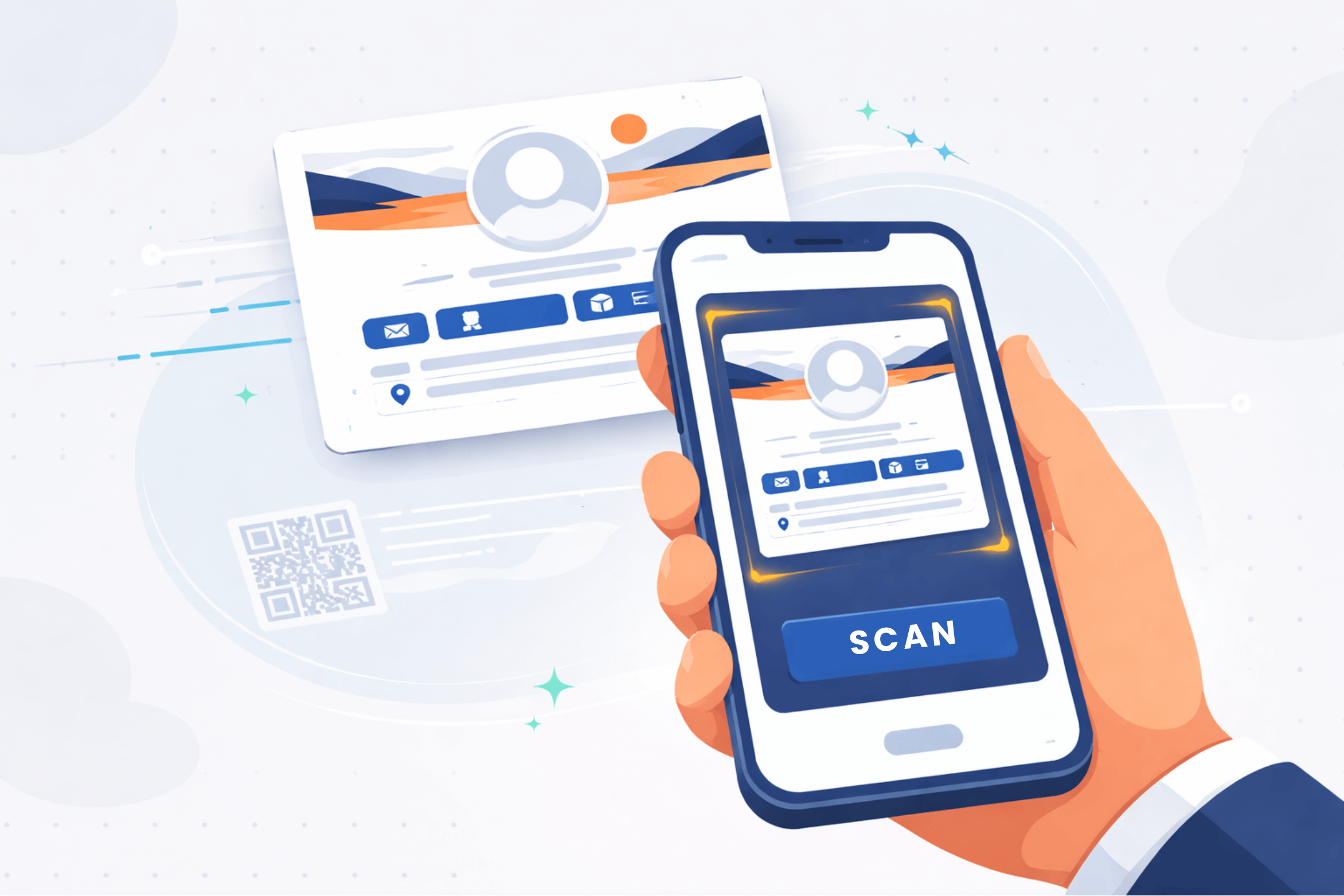
A great digital card makes it easy for people to save you, contact you, book time with you, and share you—without friction.
Clean data imports faster, maps easier, and creates fewer issues later.
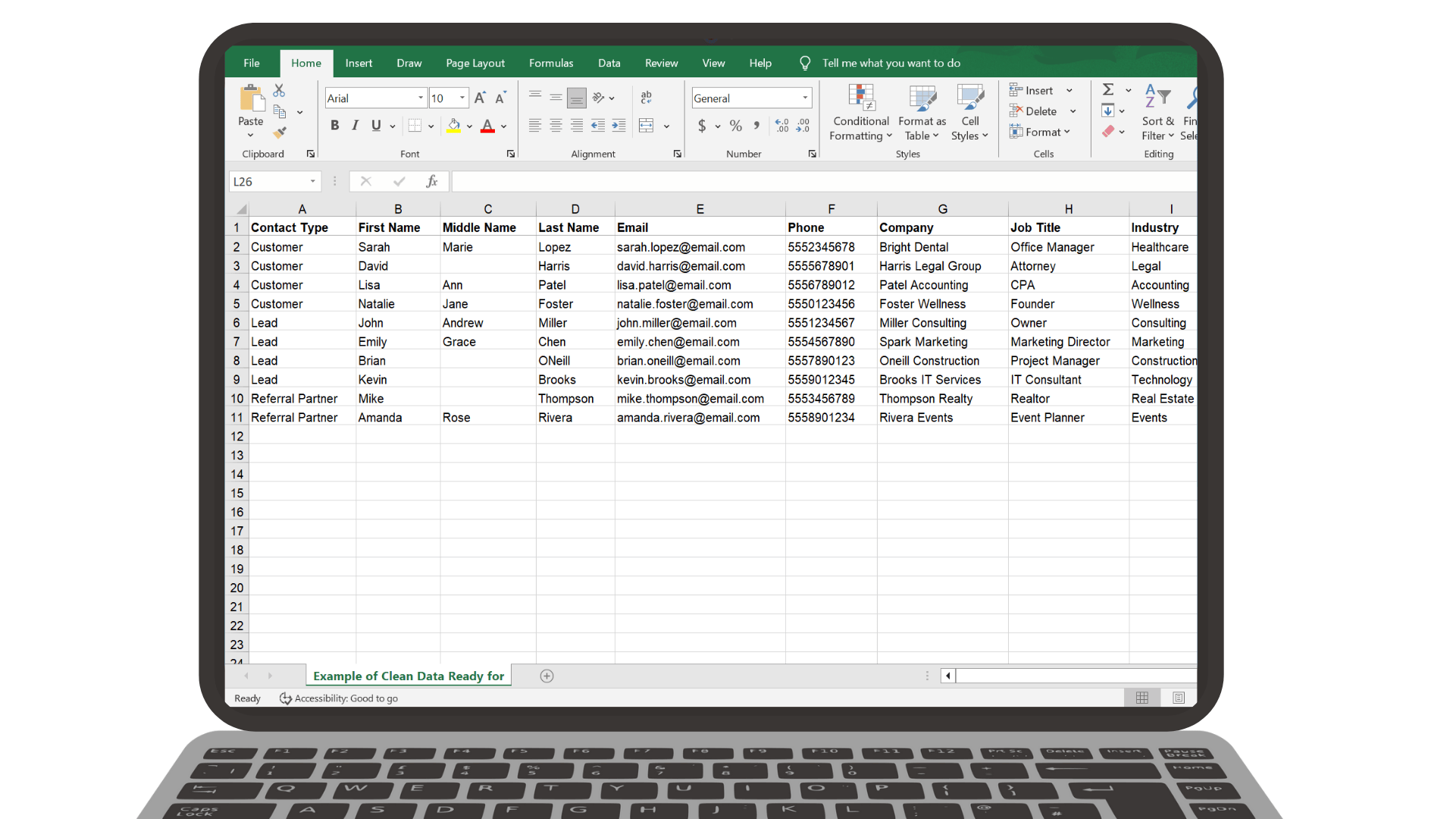
Clean data imports faster, maps easier, and creates fewer issues later.
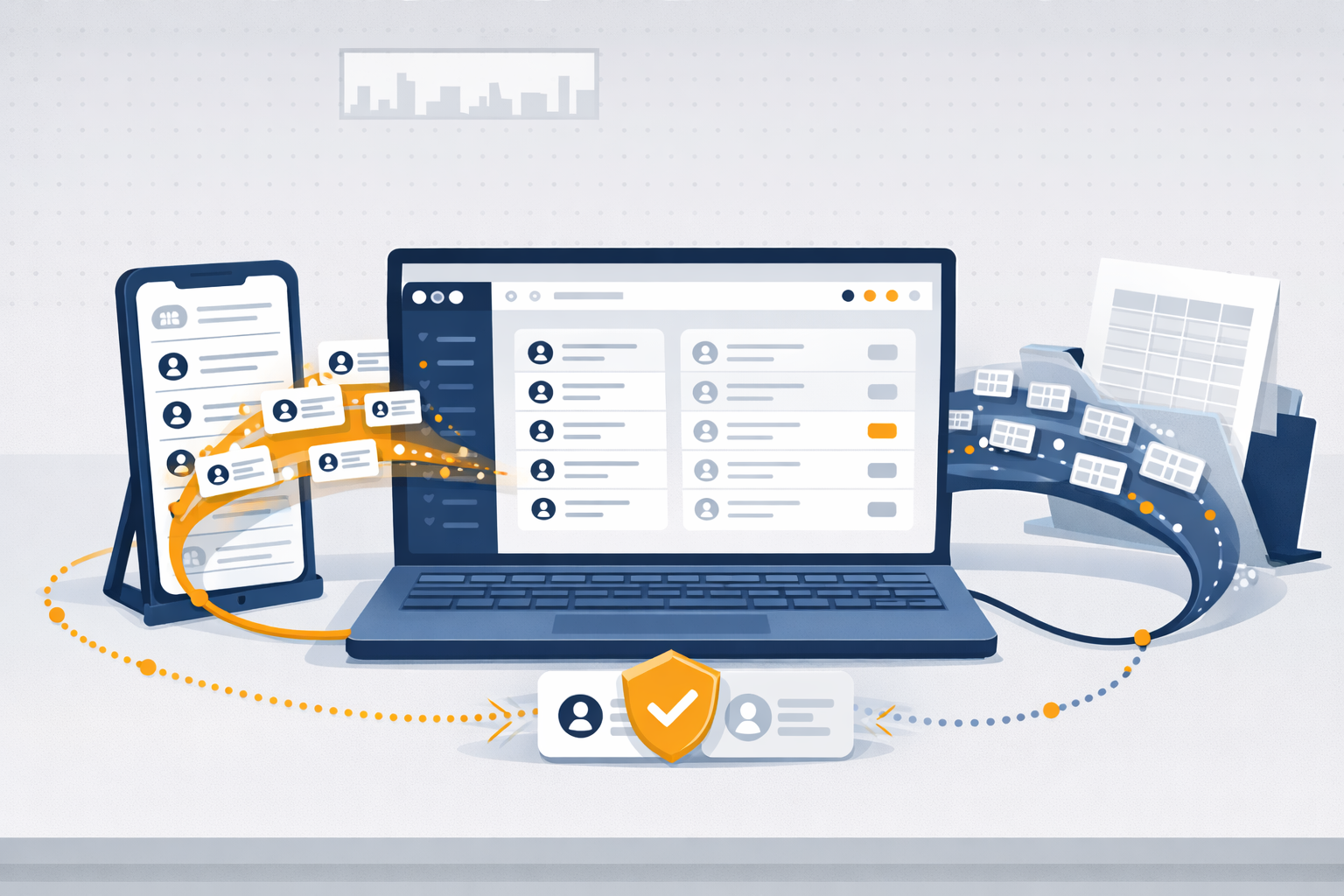
Importing helps you get your existing contacts into Segwik quickly so you can focus on relationships instead of retyping information.
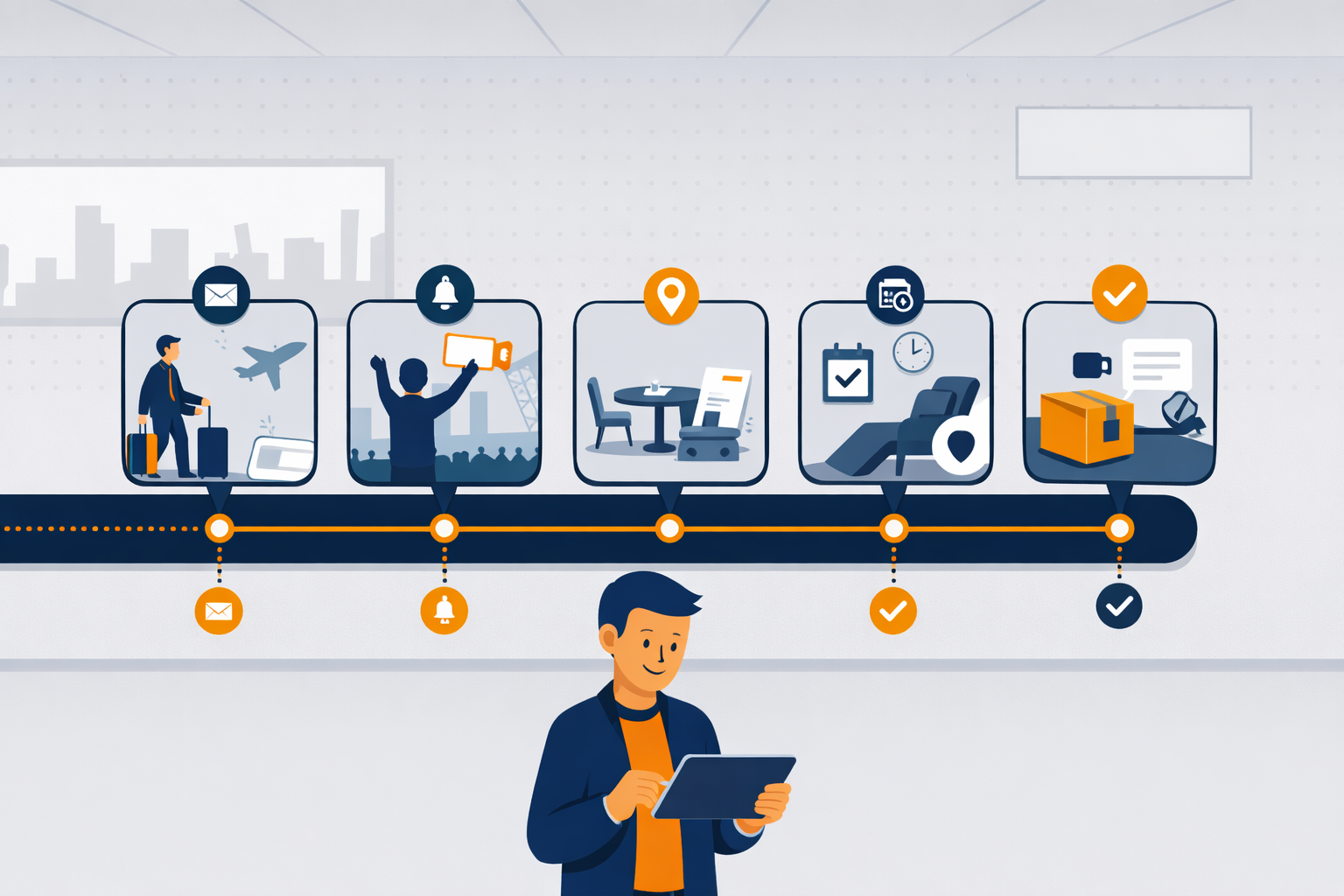
See how familiar experiences like airlines, restaurants, dentists, retail, and online ordering guide people step-by-step — with automation quietly keeping everything on track.